Answering the search for effective breakout face washes, this guide highlights five top picks that target acne-prone skin from different angles. Each product is best for a specific skin type or concern, such as oily skin, sensitive skin, or stubborn pimples. The table below helps compare core benefits at a glance.
| Product | Brand | Best For | Key Benefit |
|---|---|---|---|
| PanOxyl 10% Benzoyl Peroxide Acne Foaming Wash | PanOxyl | Fast-acting acne pimples and stubborn breakouts | Highest OTC benzoyl peroxide strength (10%) for rapid antibacterial action |
| La Roche-Posay Effaclar Medicated Gel Cleanser | La Roche-Posay | Oily, acne-prone skin seeking oil control | 2% salicylic acid with LHA for oil reduction without harsh scrubbing |
| CeraVe Acne Foaming Cream Cleanser | CeraVe | Gentle daily acne care with hydrating ceramides | 4% benzoyl peroxide plus hyaluronic acid and ceramides for moisture balance |
| Neutrogena Oil-Free Acne Face Wash | Neutrogena | Oily and acne-prone skin seeking oil control | Salicylic acid formula to unclog pores and prevent future breakouts |
| Burt’s Bees Foaming Face Wash (BHA Breakout Defense) | Burt’s Bees | Balanced routine with gentle exfoliation and microbiome support | Exfoliating BHA with a prebiotic to support skin balance |
Each section below explains who should consider the product, why it was selected, and a practical caution to keep expectations realistic. The goal is to help you compare based on skin type, breakout frequency, and tolerance for active ingredients.
PanOxyl 10% Benzoyl Peroxide Acne Foaming Wash
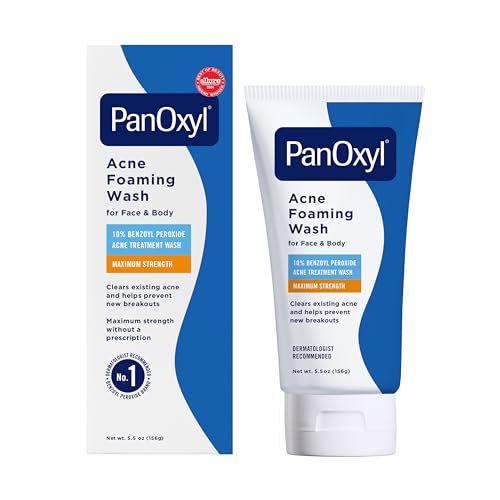
Best for: Complex, stubborn breakouts where fast action is desired. This daily foaming cleanser clears and prevents acne pimples with a dermatologist-recommended antimicrobial approach.
Why selected: It contains 10% benzoyl peroxide, the highest OTC concentration commonly available, to kill bacteria quickly and reduce inflammation. This makes it a strong option for users who have persistent or treatment-resistant pimples.
Limitations: The high benzoyl peroxide level can be drying or irritating for sensitive skin. Start with every-other-day use and monitor skin response.
La Roche-Posay Effaclar Medicated Gel Cleanser
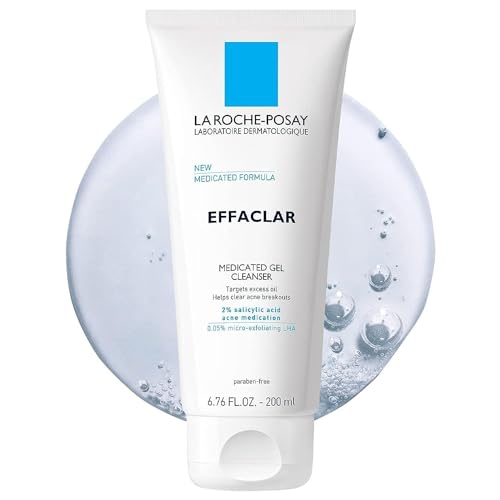
Best for: Oily, acne-prone skin that needs oil control without irritation. Helps clear and prevent breakouts with a light foaming action.
Why selected: Combines 2% salicylic acid with LHA to dissolve impurities without harsh scrubbing. Clinically shown to reduce surface oil, helping skin stay clearer throughout the day.
Limitations: May be less effective for very dry or sensitive skin; avoid if you have strong sensitivity to salicylic acid.
CeraVe Acne Foaming Cream Cleanser

Best for: Daily acne care with a focus on moisture retention. Suitable for normal to dry skin that still experiences breakouts.
Why selected: This cleanser blends 4% benzoyl peroxide with hydrating ingredients like hyaluronic acid and ceramides. It foams softly and aims to clear acne while supporting the skin barrier.
Limitations: Benzoyl peroxide can cause mild drying; use moisturizer afterward if needed. Non-foaming alternatives may be preferable for some sensitive users.
Neutrogena Oil-Free Acne Face Wash

Best for: Oily, acne-prone skin seeking a reliable daily cleanser with a lightweight feel. Helps prevent future breakouts with a clear, non-drying formula.
Why selected: Uses salicylic acid to exfoliate and unclog pores while maintaining oil balance. The oil-free formulation minimizes additional shine, making it suitable for daytime use under makeup.
Limitations: Some users may need stronger therapy for very severe acne; consider pairing with a targeted treatment for persistent breakouts.
Burt’s Bees Foaming Face Wash (BHA Breakout Defense)

Best for: Those who prefer a gentler routine with microbiome support and natural exfoliation.
Why selected: Combines BHA exfoliation with a prebiotic to support skin balance. The formula may help prevent clogged pores while maintaining a healthy skin barrier.
Limitations: May be milder in addressing very active, severe breakouts compared to higher-strength benzoyl peroxide products.
Buying Guide: Key Purchase Considerations
- Skin type matters: Oily skin often benefits from salicylic acid or oil-absorbing ingredients, while drier skin may require hydrating components like ceramides or hyaluronic acid.
- Active ingredients: Benzoyl peroxide targets bacteria and inflammation; salicylic acid helps exfoliate and unclog pores; BHAs like salicylic acid are typically gentler on sensitive skin when used properly.
- Strength and tolerability: Higher strengths can deliver faster results but may cause dryness or irritation for some users. Patch-testing and gradual introduction are advised.
- Foaming vs. gel vs. cream: Foam cleansers can feel refreshing and effective for oilier skin; gels are often clarifying; creams can be gentler and more hydrating for drier skin.
- Additional skincare steps: Pair with a non-comedogenic moisturizer and sunscreen to protect and hydrate skin without clogging pores.
Frequently Asked Questions
- What is the most effective breakout face wash?
– Effectiveness depends on skin type and breakout severity. Benzoyl peroxide products work fast for many users, while salicylic acid products help with exfoliation and pore clearing over time. - Can I use these products daily?
– Many are formulated for daily use, but sensitive skin may benefit from starting slowly and increasing frequency as tolerated. - Will these products dry out my skin?
– Some actives, especially benzoyl peroxide, can be drying. Use a non-comedogenic moisturizer to balance hydration. - Should I use a separate treatment in addition to these cleansers?
– For persistent or severe acne, consider targeted treatments (topicals or prescriptions) as part of a broader acne regimen. - Are these products fragrance-free?
– Formulations vary. If fragrance sensitivity is a concern, check product descriptions or opt for fragrance-free options like some CeraVe or La Roche-Posay items. - How long before results are noticeable?
– Many users see improvement within a few weeks with consistent use, though individual timelines vary based on skin type and breakouts.