If you’re battling dry, cracked lips this winter, the right lip balm can make a noticeable difference. This guide highlights five reliable Chapstick and lip-care options that are well-suited for cold-season lip care. Whether you need sun protection, medicated relief, organic ingredients, or extra healing power, these picks address common winter lip concerns. Each product is described with who it’s best for and why it stands out, plus a practical caution when relevant.
Buyer profile snapshot:
– Everyday protection: ChapStick Moisturizer Original with SPF 15 is great for daily hydration and sun protection.
– Severe chapping or healing needs: Dr. Dan’s Cortibalm provides targeted healing for severely chapped lips.
– Organic preference: Earth’s Daughter USDA Organic Lip Balm suits those seeking organic ingredients.
– Medicated relief and multi-pack: ChapStick Dry Lips & Cold Sore Pain Relief Bundle offers medicated relief alongside a classic lip balm.
– Extra hydration with skin barrier support: Aquaphor Lip Protectant with SPF 30 focuses on intensive lip repair and sun protection.
| Product | Key Benefit |
|---|---|
| ChapStick Moisturizer Original Lip Balm Tubes, SPF 15 | Hydration with sun protection for daily use |
| Dr. Dan’s Cortibalm | Healing aid for severe chapping and inflammation |
| Earth’s Daughter USDA Organic Lip Balm 6-Pack | Organic ingredients and multiple flavors for variety |
| ChapStick Dry Lips & Cold Sore Pain Relief Bundle | Medicated relief plus a non-medicated option |
| Aquaphor Lip Protectant and Sunscreen SPF 30 | Intense lip repair with broad-spectrum SPF |
ChapStick Moisturizer Original Lip Balm Tubes

Best for daily hydration with sun protection. This pack includes three 0.15-ounce tubes with SPF 15, designed to moisturize lips while shielding them from UV exposure for up to eight hours. It’s an unflavored, classic option ideal for sensitive noses and everyday use. Choose this if you want a familiar, reliable balm you can keep in pockets, purses, or desks for quick reapplication during winter outings. Caution: SPF effectiveness depends on reapplication and proper coverage of all lip surfaces.
Dr. Dan’s Cortibalm
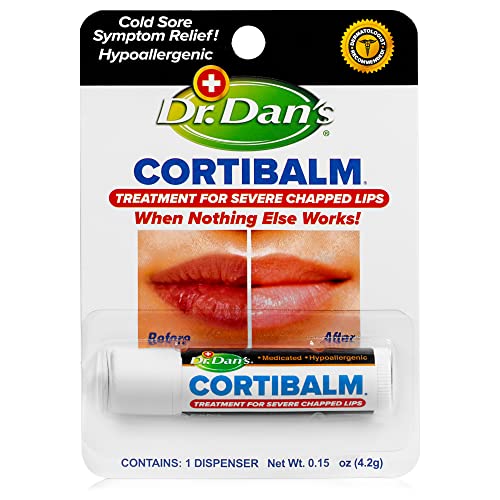
Best for healing severely chapped lips. Cortibalm is designed to interrupt the inflammatory cycle with 1% hydrocortisone, supporting healing for a range of causes including harsh weather and irritants. It is a mild hypoallergenic formula free of harsh additives, flavors, and colorings. Choose this if you need a medicated option to calm persistent cracking or cracking-related pain. Limitation: not intended for long-term use without medical guidance for ongoing conditions.
Earth’s Daughter USDA Organic Lip Balm 6-Pack

Best for organic enthusiasts and variety. This six-pack uses 100% USDA organic ingredients like organic sunflower oil, beeswax, coconut oil, and vitamin E. It includes six fruit flavors that provide hydration and a barrier against wind and cold. Choose this if you prefer certified organic lip care with natural ingredients and multiple flavor options. Caution: organic flavorings may be more noticeable to those with sensitive tastes.
ChapStick Dry Lips & Cold Sore Pain Relief Bundle

Best for seasonal preparation and medicated relief. This four-piece set includes three Classic Medicated ChapStick tubes plus one Original Moisturizer with SPF 15. It’s ideal for households that want a medicated option for temporary irritation and a standard hydrating balm for daily use. Choose this bundle if you want both quick pain relief and a non-medicated daily balm. Limitation: medicated lip balms can feel stronger on sensitive lips.
Aquaphor Lip Protectant and Sunscreen SPF 30
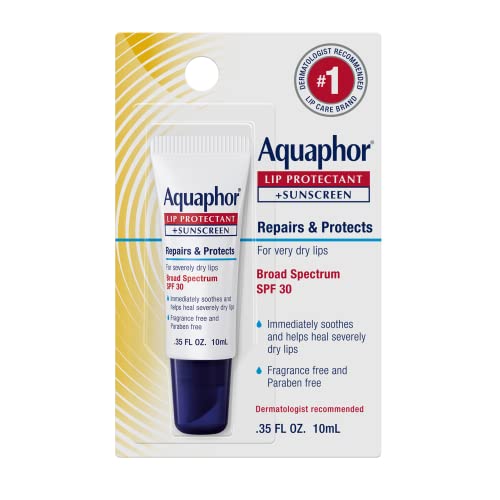
Best for intensive repair with sun protection. Aquaphor combines soothing moisturizing ingredients with broad-spectrum SPF 30 to protect and nourish dry lips. This option is well-suited for severe winter dryness or skin barrier concerns, offering robust hydration and sun protection in one product. Caution: richer texture may feel heavier for lip balm purists who prefer lighter formulas.
Buying Guide
- When to choose medicated vs. non-medicated balms
If you have persistent cracking, pain, or inflammation, consider medicated options like Cortibalm or medicated ChapStick varieties. For daily protection, non-medicated balms with hydrating ingredients suffice. - Sun protection level
SPF 15 is common in everyday balms; SPF 30 is more protective for prolonged outdoor exposure. Match SPF with your winter activities and sun exposure risk. - Organic vs. synthetic ingredients
Organic balms use certified organic ingredients and may appeal to those avoiding synthetic additives. They can be a bit pricier and scented differently due to natural flavors. - Hydration and barrier support
Look for ceramides, shea butter, beeswax, and oils like coconut or sunflower oil to support the skin barrier and long-lasting hydration in cold weather.
Tubes and small tins are convenient for pockets or purses. Check pack size to ensure you have enough product for the season.- Allergen considerations
If you have sensitivity to flavors, fragrances, or certain preservatives, opt for fragrance-free or hypoallergenic formulas when possible.
FAQ
- What should I look for in a winter lip balm? Look for hydration-focused ingredients (ceramides, oils, beeswax), sun protection if you spend time outdoors, and if needed, medicated relief for severe cracking.
- Is medicated lip balm safe for children? Medicated balms like Cortibalm should be used under guidance for children. Check product labels for age recommendations.
- Can I use lip balm with sunscreen indoors? Yes. SPF is most beneficial during outdoor exposure; it can be used indoors if prolonged sun exposure is expected or for routine protection.
- How often should I reapply lip balm in winter? Reapply as needed, especially after eating, drinking, or after exposure to wind and cold. Do not rely on a single application for the entire day.
- Are organic lip balms better for winters? Organic balms offer natural ingredients and may be preferable for sensitive skin, but effectiveness depends on your skin’s needs. They may require more frequent reapplication if you are outdoors a lot.
- What if lip balm worsens irritation? Discontinue use and consult a healthcare professional if you notice increased redness, itching, or swelling after applying a balm.