When caring for patients, nurses face frequent handwashing and sanitizing, which can lead to dry, cracked skin. The following hand creams are selected for practicality, fast absorption, and long-lasting moisture that fits into a busy shift. Each option offers barrier protection, quick relief, and skin-nourishing ingredients suitable for healthcare settings.
| Product | Brand | Why It’s Good For Nurses | Key Benefit |
|---|---|---|---|
| Gold Bond Ultimate Healing Hand Cream | Gold Bond | Moisturizing formula designed to last through handwashing and daily tasks. | Intense nourishment |
| Gloves In A Bottle Hand Lotion | Gloves In A Bottle | Silicone barrier locks in moisture and shields against harsh cleaners. | Long-lasting barrier protection |
| O’Keeffe’s Working Hands Hand Cream (3 oz) | O’Keeffe’s | Concentrated formula for extreme dryness common in clinical settings. | Rapid relief for cracks |
| Neutrogena Norwegian Formula Hand Cream | Neutrogena | Dermatologist-recommended glycerin-based hydration for dry skin. | Fragrance-free hydration |
| Aveda Hand Relief Moisturizing Creme | Aveda | Luxurious, rich cream with natural hydrators for lasting softness. | Premium nourishment |
Note: The following sections provide detailed product insights, features, and practical considerations to help select the right hand cream for a nursing schedule.
Gold Bond Ultimate Healing Hand Cream
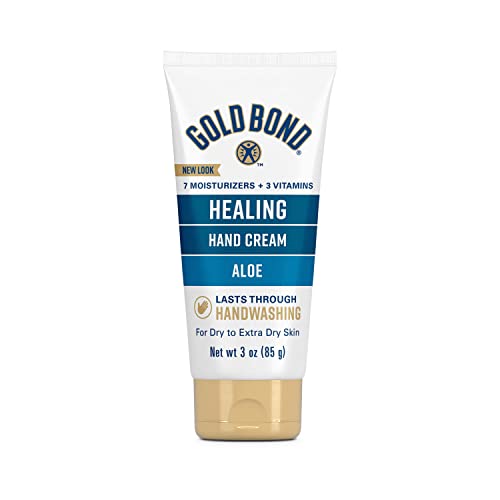
Gold Bond Ultimate Healing Hand Cream comes in a 3-ounce tube designed to provide lasting moisture that stands up to repeated handwashing. It blends seven intensive moisturizers with vitamins A, C, and E to nourish dry skin without a heavy residue. This formula aims to restore softness and resilience for hands exposed to routine sanitization and glove use, making it suitable for nurses seeking reliable moisturization during long shifts.
Gloves In A Bottle Hand Lotion

Gloves In A Bottle offers an advanced silicone barrier that forms an invisible layer on the skin to lock in moisture while shielding hands from frequent handwashing, sanitizers, and harsh chemicals. This travel-friendly, fragrance-free option absorbs quickly, minimizing downtime during patient care. Its core value is sustained hydration without a sticky feel, making it a practical choice for nurses who need reliable protection throughout long shifts.
O’Keeffe’s Working Hands Hand Cream (3 oz)

O’Keeffe’s Working Hands is a concentrated formula specifically designed for extremely dry and cracked hands. It creates a protective barrier that locks in moisture, providing quick relief and ongoing hydration. For nurses dealing with severe dryness from repeated washing, this product is widely recognized for offering a robust, durable solution that supports skin repair during demanding shifts.
Neutrogena Norwegian Formula Hand Cream

Neutrogena Norwegian Formula Hand Cream provides concentrated hydration through a glycerin-rich base, designed to soothe dry hands and restore skin texture. The fragrance-free formula is dermatologist-recommended and clinically proven to improve dryness, making it suitable for nurses who prefer a non-scented option that won’t interfere with personal care routines or irritate sensitive skin.
Aveda Hand Relief Moisturizing Creme

Aveda Hand Relief Moisturizing Creme offers a premium, richly hydrating experience with 95% naturally derived ingredients and andiroba oil. This hand cream provides deep nourishment and lasting softness, appealing to nurses who want a more luxurious formula that still performs well in a clinical environment. The product’s emphasis on natural constituents may appeal to those seeking gentler options for sensitive skin over long shifts.
Buying Guide
Key purchase considerations for hand creams used by nurses include moisture retention after frequent handwashing, non-greasy absorption, and skin barrier support. Consider the following perspectives:
- Hydration versus film: Look for products that penetrate well without leaving a greasy residue, ensuring quick hand use after application.
- Barrier technology: Silicone-based or film-forming ingredients can offer additional protection against sanitizers and detergents without hindering task performance.
- Fragrance and sensitivities: Fragrance-free formulas reduce the risk of irritation in sensitive staff or patients with fragrance allergies.
- Size and portability: Travel-sized tubes (2–3 oz) fit easily in scrubs pockets or PPE bags for on-the-go relief.
- Dermatologist recommendations: Trusted recommendations can indicate reliable hydration and skin-friendly formulations.
For selecting a hand cream, weigh the balance between fast relief and long-term skin health. The listed options cover a spectrum from everyday comfort to intensive repair, allowing nurses to tailor choices to shift length, water exposure, and personal skin needs.