Whether you have hair that resists moisture or you’re trying to strengthen delicate strands, hydrolyzed protein can help improve manageability without weighing hair down. This guide highlights five products well-suited for low porosity hair, emphasizing lightweight formulas, controlled protein delivery, and moisture retention. Ideal buyers include those seeking lightweight repair without buildup, color-treated or fine hair, and anyone balancing hydration with shine.
Summary Table of Selected Products
| Product | Best For | Key Benefit | Protein Type |
|---|---|---|---|
| Veravana Naturals Low Porosity Deep Conditioner | Low porosity, moisture-resistant hair | Lightweight, protein-free conditioner that helps moisture absorb | None (protein-free) |
| FROMLABS Hair Repair Duo | Damaged, fine or color-treated hair | Protein capsules plus keratin booster for targeted repair | Hydrolyzed keratin, amino acids |
| Low Porosity Leave In Conditioner by Ethnic Gals | Low porosity, curl patterns needing hydration | Lightweight, water-based hydration without residue | Plant-based conditioning components (no specific protein listed) |
| Elizavecca Cer-100 Collagen Coating Treatment | Thin, fragile or heat-damaged hair | Fast-acting collagen coating for temporary boost | Collagen, ceramide |
| DEAR HAIR Daily Collagen Protein Ceramide Treatment | Dry, damaged or stressed hair | Hydrolyzed collagen and pea protein for deep conditioning | Hydrolyzed collagen, hydrolyzed pea protein |
Veravana Naturals Low Porosity Deep Conditioner

Best for: Low porosity hair that resists moisture absorption and needs a lightweight moisture boost. Why selected: This conditioner is protein-free and designed to allow moisturizing ingredients to penetrate without sitting on the surface, helping hair feel lighter and more hydrated. Caution: Because it is protein-free, it may not provide protein-related strength benefits for very damaged hair. Suitable for daily use if needed.
FROMLABS Hair Repair Duo

Best for: Damaged or fine hair needing targeted protein delivery. Why selected: The product uses triple-layer protein capsules (hydrolyzed keratin + amino acids) to reinforce and smooth weak areas without heavy buildup, plus a low-pH formula to encourage cuticle closure for gloss. Caution: Not a standalone solution—optimal when used with the accompanying booster or as directed to avoid over-protein exposure.
Low Porosity Leave In Conditioner by Ethnic Gals

Best for: Low porosity hair that needs steady hydration without residue. Why selected: This lightweight, water-based conditioner is formulated to absorb into resistant strands and pair well with daily styling. Caution: The product emphasizes lightweight hydration rather than high-protein repair, so users seeking stronger protein should complement with other items on this list.
Elizavecca Cer-100 Collagen Coating Treatment
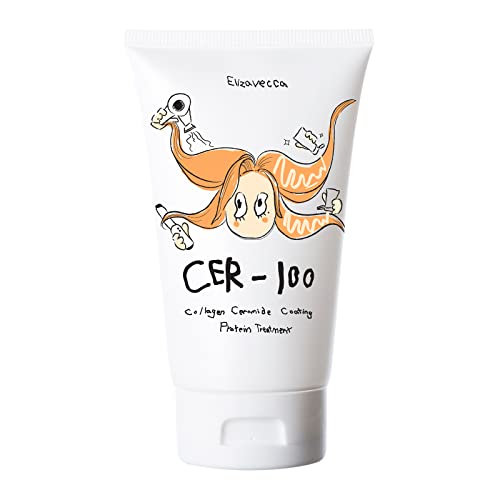
Best for: Hair that needs quick collagen-based nourishment. Why selected: This treatment combines ceramide and collagen to deliver a rapid coating that helps seal moisture and improve softness. Caution: It is a coating product; results may vary in terms of residual feel and rinse-out requirements for different hair types.
DEAR HAIR Daily Collagen Protein Ceramide Treatment

Best for: Dry, damaged hair needing deep nourishment and protection. Why selected: Combines hydrolyzed collagen and pea protein with ceramide to rebuild bonds, hydrate deeply, and restore vitality. Caution: Like many intensive repair products, use as directed to avoid over-conditioning on fine hair.
Buying Guide: Hydrolyzed Protein for Low Porosity Hair
- What is hydrolyzed protein and why it matters: Hydrolyzed proteins are broken into smaller peptide units to penetrate tightly packed cuticles. For low porosity hair, this enables effective repair without heaviness.
- Best protein types for low porosity hair: Keratin and pea protein are common picks; keratin supports structure, pea protein provides balance without weighing hair down. Lightly hydrolyzed forms reduce buildup.
- Seal and hydrate: Always pair protein products with moisturizers or leave-ins that help lock in moisture without creating a stiff feel.
- Application tips: Use protein-focused products 1–2 times per week for damaged or chemically treated hair. For maintenance, alternate with lightweight hydrators.
- Who should choose these products: Ideal for those with moisture-resistant, fine, or chemically treated hair seeking strength without weight or stiffness.
- How to evaluate results: Look for improved elasticity, reduced breakage, and a soft, manageable feel after each wash—without an overly stiff or crunchy finish.
Frequently Asked Questions
- Do low porosity hairs need protein?
- Yes, but in moderation. Low porosity hair benefits from targeted, lightweight protein to reinforce bonds without causing buildup that blocks moisture.
- How often should I use protein treatments?
- Start with once a week or every two weeks, then adjust based on moisture retention and feel of the hair.
- Can I mix protein products with a leave-in conditioner?
- Yes, but avoid layering heavy products. Opt for a light leave-in followed by a protein product, then a water-based moisturizer if needed.
- What signs indicate too much protein?
- A stiff, crunchy, or brittle feeling indicates protein overload; switch to a more hydrating routine and reduce protein usage.
- Are silicone-free options better for low porosity hair?
- Many low porosity-focused products avoid heavy silicones; however, choose based on your hair’s reaction and build-up tolerance.