Answering common buyer questions, this guide highlights natural and organic eye creams that support delicate under-eye skin without harsh chemicals. Each pick is suited for different needs—brightening, anti-aging, puffiness reduction, or sensitivity-friendly formulas. The top five selections below help you compare options quickly and choose confidently based on ingredients, usage, and skin type.
Summary Table of Selected Products:
| Product | Key Benefit | Best For |
|---|---|---|
| BeeFriendly Organic Face and Eye Cream | All-in-one moisturizing with organic ingredients | All skin types; daily day/night cream |
| Clinique All About Eyes | Hydrating, depuffing with vitamin C and hyaluronic acid | Under-eye puffiness and brightening |
| By Nature Eye Cream | Manuka honey + collagen for nourishment | Hydration with natural antioxidants |
| LILY SADO MILK+MANUKA Eye Repair Cream | Coconut milk and Manuka honey duo for anti-aging | Anti-aging and soothing care |
| LilyAna Naturals Eye Cream | Targets dark circles and puffiness | Discoloration and swelling reduction |
BeeFriendly Organic Face And Eye Cream (2 oz)

Best for: Those seeking a truly natural, all-in-one moisturizer for face, eye area, neck, and décolleté. This product emphasizes organic ingredients and minimal processing, appealing to users who avoid synthetic additives.
- Formulated with purified water, organic extra virgin olive oil, beeswax with pollen and propolis, raw honey with royal jelly, essential oils, and vitamin E.
- purportedly free of chemicals, SLS, parabens, fragrances, GMOs, gluten; suitable for sensitive or combination skin types.
- Four-in-one use makes it a compact option for travelers or minimal routines.
Best for: People who want a single cream that covers multiple facial zones and prefers organic certification. Avoid if you require a fragrance-free product (the formula may include essential oils).
Clinique All About Eyes
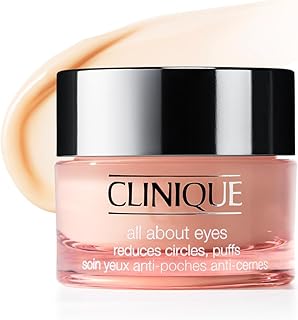
Best for: Viewers seeking a lightweight, depuffing eye formula with brightening actives. Not ideal for those who prefer all-organic ingredients, as Clinique is a prestige brand with synthetic elements in some lines.
By Nature Eye Cream With Manuka Honey

Best for: Natural hydration with antioxidant-rich Manuka honey and collagen. This option is suitable for those who want a soothing, honey-based formula that nourishes the under-eye area.
- Manuka honey plus collagen provides moisture and potential elasticity support.
- Emphasizes natural ingredients; may suit those avoiding synthetic additives.
Limitation: Consumers should check for any fragrance or botanical extracts if sensitive skin is a concern.
LILY SADO MILK+MANUKA Eye Repair Cream
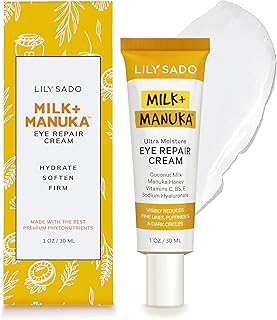
Best for: Anti-aging and nourishing care with coconut milk and Manuka honey. Suitable for users seeking a cream that targets fine lines and puffiness with a gentle, natural blend.
- Includes coconut milk, Manuka honey, sodium hyaluronate, vitamins C, B5, and E.
- Supports hydration and smoothness around the eye area.
Caution: Users with coconut sensitivity should test on a small area first, as coconut-derived ingredients may occur in the base formula.
LilyAna Naturals Eye Cream
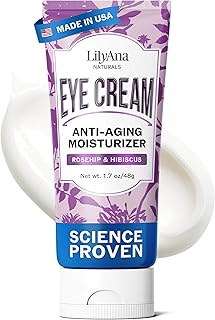
Best for: Those seeking a budget-friendly option that targets puffiness and dark circles with a gentle formula. Not all LilyAna products are explicitly labeled as organic; verify ingredient lists if organics are a priority.
Buying Guide: How To Choose The Right Natural Organic Eye Cream
- Ingredient priorities: Look for organic botanicals, antioxidants, and hydration agents (hyaluronic acid, glycerin) while avoiding parabens, phthalates, and synthetic fragrances if sensitive skin is a concern.
- Skin type and concerns: For dullness or dark circles, seek brightening ingredients like vitamin C or niacinamide. For fine lines, prefer peptides and antioxidants. For puffiness, consider cooling applicators and caffeine or peptides.
- Texture preferences: Gel-like formulas are light and fast-absorbing; creams are richer and better for dry or mature skin.
- Certifications: If you prioritize organic status, verify USDA Organic or equivalent certifications listed on the product.
- Usage pattern: Some products are designed as all-in-one for multiple areas; others target the under-eye area specifically. Consider your routine and whether you want a single product or separate eye creams.
FAQ
- Q: Are natural organic eye creams safe for sensitive skin? A: Many are formulated with gentle ingredients, but always patch-test and check for potential allergens like essential oils.
- Q: Do organic eye creams work faster than conventional ones? A: Results depend on ingredients and skin type; some users notice quicker hydration, while anti-aging benefits build over weeks.
- Q: Can I use an all-in-one cream around the eye? A: Yes, if the product is indicated for eye use and suitable for the eye area; some formulas are multi-area but test for irritation first.
- Q: Should I avoid fragrance in eye creams? A: Fragrances can irritate sensitive under-eye skin; choose fragrance-free if you have sensitivity.
- Q: How often should I apply eye cream? A: Most brands recommend twice daily, morning and night, after cleansing and before sunscreen or makeup.
- Q: Is Manuka honey good for eye-area care? A: Manuka honey provides natural moisture and antioxidants but may cause sensitivity in some individuals; check ingredient lists.