Answering the question many teens have: the best night creams for teenage skin focus on soothing hydration, barrier support, and gentle anti-aging cues without irritants. This guide highlights five products that balance moisture with skin-friendly formulas. Each option is suited to different teen needs—from sensitive, dry skin to acne-prone or oilier complexions. Use the comparisons below to identify which night cream aligns with your skin type and goals, and consider practical aspects like fragrance-free formulas, non-comedogenic properties, and the presence of humectants and ceramides.
Summary at a glance: the table below lists the five featured night creams, their key focus, and who they’re best for. Use this as a quick reference to decide which product to explore first.
- CeraVe Skin Renewing Night Cream — best for sensitive or normal-to-dry skin seeking barrier-supporting ingredients.
- Night Cream for Women Anti Aging (Arvesa) — best for teens desiring hydration with retinol-friendly peptides, fragrance-free.
- Eucerin Q10 Anti-Wrinkle Night Cream — best for sensitive skin needing pro-retinol-style support with a mild formula.
- Skin Renewing Night Cream by PIFLAT — best for those wanting peptide-driven elasticity and overnight hydration.
- DIKAYI Night Cream — best for a fragrance-free, gentle option with a peptide focus.
CeraVe Skin Renewing Night Cream — Niacinamide, Peptide Complex & Hyaluronic Acid
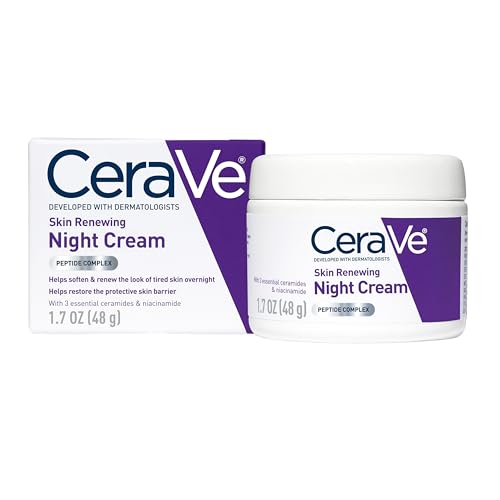
Product overview: A fragrance-free, non-comedogenic night cream designed to soften and hydrate while supporting skin elasticity with a peptide complex and hyaluronic acid. Niacinamide helps calm the skin and strengthen the moisture barrier. Overnight use aims to renew tired-looking skin.
Best for: Teens with sensitive or normal-to-dry skin who want a barrier-supporting night cream that minimizes irritation. It’s a good fit for acne-prone teens seeking a gentle, fragrance-free option.
Limitations: The product note mentions a lack of an inner protection seal; users should store with standard caution to maintain hygiene after opening.
Night Cream for Women Anti Aging — Retinol, Peptides, Niacinamide

Product overview: An overnight face moisturizer featuring peptides, niacinamide, and retinol-inspired benefits to support texture and hydration. Fragrance-free and non-greasy, designed to restore a smoother, more radiant-looking complexion by morning.
Best for: Teens seeking a hydration-forward night cream with anti-aging cues and non-irritating ingredients. Choose this if you want a fragrance-free formula with a focus on firming and renewal.
Limitations: The presence of retinol-related benefits means sensitivity testing is advised for very sensitive or first-time users.
Eucerin Q10 Anti-Wrinkle Night Cream + Pro-Retinol
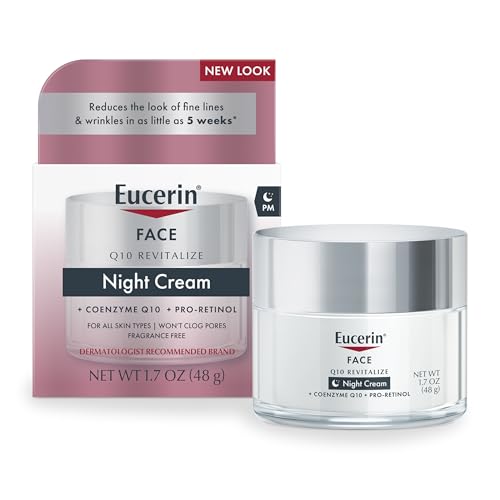
Product overview: A night-time cream designed for sensitive skin, featuring pro-retinol-like benefits, vitamin E, macadamia nut oil, and coenzyme Q10 to support a softer, more even texture by morning.
Best for: Teens with sensitive or easily irritated skin who want a gentle anti-wrinkle option that isn’t harsh or heavy. Recommended for those who prefer a calmer, nourishing formula.
Limitations: May require longer-term use to notice visible improvements; not a quick fix for significant aging concerns.
Skin Renewing Night Cream With Niacinamide, Peptide Complex

Product overview: This night cream emphasizes a peptide complex to reduce fine lines and improve elasticity, with overnight hydration from hyaluronic acid and barrier support from ceramides. It’s designed to feel light yet effective for a revitalized morning appearance.
Best for: Teens who want a peptide-driven option that hydrates deeply without a heavy feel, and who value skin-barrier support through ceramides.
Limitations: May feel lighter on very dry skin; layering with a richer moisturizer could be beneficial in dry climates.
DIKAYI Night Cream — Niacinamide, Peptide Complex & Hyaluronic Acid
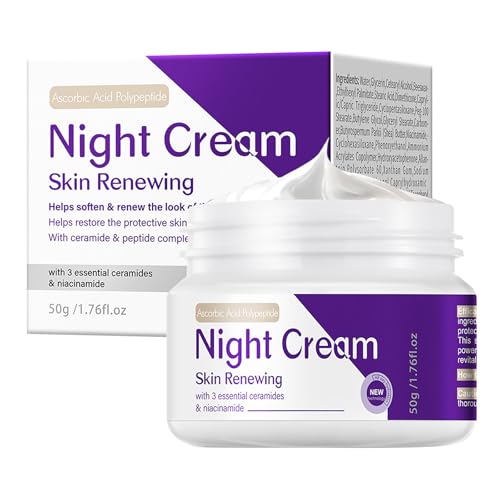
Product overview: A fragrance-free night moisturizer featuring a peptide complex and hyaluronic acid to reduce the appearance of fine lines while restoring moisture and improving elasticity. Designed to be gentle and non-irritating.
Best for: Teens who need a fragrance-free, non-comedogenic option that targets hydration and elasticity without heavy oils or irritants.
Limitations: Results vary; as with many anti-aging oriented products, expect gradual improvements over weeks of consistent use.
Buying Guide
What should you look for in a teen-friendly night cream?
Key factors include fragrance-free formulas to reduce irritation risk, non-comedogenic ingredients to avoid pore clogging, and hydration-focused ingredients like hyaluronic acid. Barrier-supporting ceramides and soothing niacinamide are valuable for most teenage skin types. If you’re dealing with oilier skin, opt for lighter, oil-free textures; for dry skin, a richer but still gentle night cream may be preferable.
Which ingredients matter most for teenage skin?
- Hyaluronic acid: Attracts moisture and helps skin feel plump.
- Niacinamide: Supports barrier function and calms inflammation.
- Peptides: May help with subtle firming and elasticity.
- Ceramides: Strengthen the skin’s protective layer.
- Retinol-inspired components: Consider only if your skin tolerates them; start conservatively.
How to choose between fragrance-free and scented formulas?
Fragrance-free options are generally better for teenage skin prone to sensitivity or acne. If you tolerate fragrance well and prefer a certain scent, test a small amount on a patch of skin before full-face use.
How should you apply night cream for best results?
Use a pea-to-dime-sized amount after cleansing and applying any light serums. Apply gently in upward, outward motions, focusing on dry areas and areas with visible pores or fine lines. Allow the product to absorb before nighttime routine steps like eye cream or sunscreen (in daytime routines).
How long before you see results?
Most teen-focused moisturizers with hydrating actives show noticeable improvements in texture and hydration within 2–4 weeks, with more pronounced changes in elasticity and fine lines over 6–12 weeks.
Who should avoid certain ingredients?
Teens with very sensitive or red, irritated skin should avoid strong retinol formulations unless advised by a dermatologist. Fragrance-free options are typically the safest starting point.
Frequently Asked Questions
- What is the best night cream for teenage skin with acne-prone concerns?
– Look for non-comedogenic, fragrance-free formulas containing niacinamide and ceramides to support barrier health without clogging pores. - Can teens use retinol-based creams?
– Retinol-like ingredients can be effective but may irritate sensitive skin; start with gentler peptides or ceramide-rich formulas and consult a dermatologist if unsure. - Is fragrance-free always better for teens?
– Generally yes, as fragrance can irritate sensitive or acne-prone skin; test small areas if you choose a scented option. - How often should I use night cream?
– Most teens benefit from nightly use after cleansing, especially during dry seasons or hormonal changes that increase dryness or sensitivity. - Should I pair night cream with an daytime sunscreen?
– Yes. After daytime routines, use sunscreen to protect skin from UV damage, which is important even for younger skin. - What ingredients help with skin elasticity in teen skin?
– Peptides, niacinamide, and ceramides support elasticity and barrier function, contributing to a smoother appearance over time.