Plant-based deodorants offer a spectrum of approaches to odor control, from aluminum-free formulas that rely on minerals and natural oils to mild antiperspirants with plant-powered actives. This guide highlights five options that balance effective odor protection with skin-friendly, vegan-friendly ingredients. Explore how these products compare in terms of ingredients, scent profiles, and suitability for sensitive skin, so you can choose a plant-based path that fits your routine.
| Product | Brand | Type | Key Benefit | Image |
|---|---|---|---|---|
| Dry Idea Plant Based Antiperspirant | Dry Idea | Amply Plant-Based Antiperspirant | 72-hour odor protection with plant-based actives | 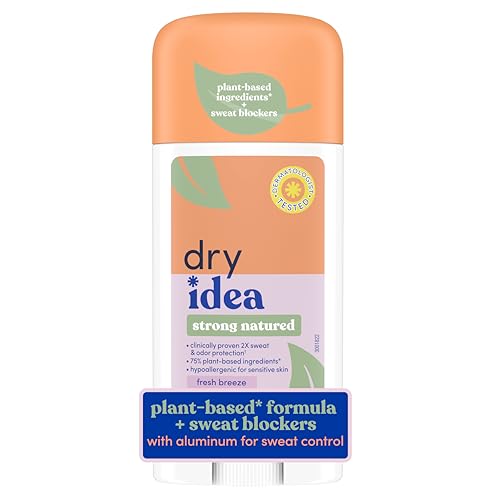 |
| Each & Every Aluminum Free Unscented | Each & Every | Aluminum-Free Deodorant | Fragrance-free, suitable for sensitive skin |  |
| Kopari Aluminum Free Coconut Deodorant Original | Kopari | Aluminum-Free, Plant-Based | Non-toxic, coconut-based protection |  |
| EO Organic Deodorant Spray | EO | Organic Plant-Based Spray | Essential oil blend for quick, refreshing spray |  |
| Plant Therapy Grapefruit Cardamom | Plant Therapy | Aluminum-Free, Plant-Based | Natural fragrance with nourishing oils |  |
Note: Product availability and formulations may change. This overview uses current listings to illustrate common plant-based deodorant options in the market.
id=”section-dry-idea”>Dry Idea Plant Based Antiperspirant With Aluminum Sweat Blockers
Dry Idea positions its product as a plant-based antiperspirant that uses aluminum-based sweat blockers alongside a 75% plant-based formula. The combination aims to deliver 72-hour odor control and extended protection against wetness, supporting daily activity and occasional workouts. The formula emphasizes shea butter and marula oil, targeting sensitive skin with a dermatologist-tested, hypoallergenic approach. It avoids parabens, sulfates, phthalates, and synthetic dyes, aligning with consumers seeking gentler underarm care that still delivers confidence during active days.
Key considerations: aluminum-based blockers can raise questions about antiperspirant safety for some users; test on a small area first if you have sensitive skin. This option leans toward long-lasting protection with a plant-forward ingredient blend, suitable for those who want both odor control and a more natural profile than traditional antiperspirants.
id=”section-each-every-unscented”>Each & Every Aluminum Free Unscented Deodorant
This aluminum-free option focuses on a fragrance-free experience designed for sensitive skin. It uses vegan, plant-based components and avoids baking soda in favor of a gentle texture built on tapioca starch and conditioning coconut oil. The formula aims to provide all-day odor control without dryness or irritation, making it a versatile choice for both men and women who prefer a minimal scent or fragrance-free routine. The packaging emphasizes sustainability with recyclable materials and cruelty-free certification.
Highlights: fragrance-free formula, dye-free and mild on skin, vegan and cruelty-free, packaging designed for smaller footprints. The absence of baking soda can reduce sting for those with sensitive skin, though it may have varying strength for heavy exercisers. This product balances simplicity, skin comfort, and dependable odor control through a clean, plant-forward approach.
id=”section-kopari-original”>Kopari Aluminum Free Coconut Deodorant Original

Kopari’s aluminum-free coconut deodorant offers a clean, plant-based profile with a focus on coconut oil’s moisturizing and naturally antimicrobial properties. The product presents a non-toxic, clear formula that glides on smoothly and is designed for everyday use. It appeals to those transitioning away from aluminum-based products and looking for a skin-friendly option that still provides odor protection throughout the day. The formulation prioritizes purity, avoiding parabens and baking soda, to minimize potential irritation while maintaining solid deodorant performance.
Considerations: aluminum-free formulations often rely on odor-neutralizing bacteria management and starch-based absorbents rather than sweat blockers. This can be a good fit for those with sensitive underarms or a preference for transparent, light application. For active days, a routine re-application may be needed to sustain all-day freshness.
id=”section-kopari-coconut-2oz”>Kopari Aluminum Free Coconut Deodorant (2 oz)
The 2-ounce Kopari variant provides a compact, aluminum-free option with the same coconut-forward benefits. Its clean, plant-based composition emphasizes hydration and skin-friendly care while offering reliable odor control for daily use. This version caters to travelers or anyone seeking a smaller, travel-friendly size without compromising the plant-based ethos. The absence of aluminum aligns with consumer preferences for gentler underarm care and a lighter scent profile that won’t overpower other fragrances.
Usage notes: for best results, apply to clean, dry underarms. If you’re new to aluminum-free products, consider a short transition period as your skin adjusts to the new regimen. This Kopari option remains a strong, straightforward choice for those prioritizing a natural, coconut-based approach to deodorant protection.
id=”section-eo-deodorant-spray”>EO Organic Deodorant Spray
EO offers a citrus-forward spray deodorant built on organic plant-based ingredients and essential oils. This option provides a quick, refreshing application with a blend of grapefruit, vetiver, lavender, geranium, and rosemary essential oils. The formula emphasizes minimal ingredients—primarily natural alcohol, water, and oils—delivering a lightweight feel and a bright aroma. It’s well-suited for those who prefer a refreshing spray format and a scent profile inspired by natural citrus and herbal notes rather than heavy fragrances.
Considerations: spray formats can offer lighter coverage and faster drying times, though they may require reapplication during longer days or workouts. EO’s approach prioritizes essential oil blends over synthetic fragrances, appealing to fragrance-conscious users seeking a natural aroma with skincare-friendly components.
id=”section-plant-therapy-grapefruit”>Plant Therapy Grapefruit Cardamom Deodorant
Plant Therapy combines grapefruit, cardamom, and nourishing oils in an aluminum-free formulation. The blend aims to neutralize odor while offering beneficial skin care through shea butter, camellia, coconut, and rice bran oils. The product emphasizes natural fragrance derived from essential oils, creating a light, uplifting scent without synthetic additives. It suits users seeking a clean, plant-based option with long-lasting odor control and a smooth, non-greasy feel for daily wear.
Considerations: fragrance strength can vary with essential oil blends; those sensitive to citrus or spice should sample first. The blend supports skin-nourishing ingredients while delivering a practical deodorant experience that fits a natural, health-conscious lifestyle.
Buying Guide: Key Purchase Considerations And Comparisons
- Active ingredients: Aluminum-based antiperspirants offer longer-lasting sweat reduction but may concern users with sensitive skin. Aluminum-free formulas rely on natural odor absorbers like tapioca starch, arrowroot, or baking soda alternatives. Choose based on comfort, skin sensitivity, and activity level.
- Fragrance approach: Fragrance-free options minimize potential irritants, while essential-oil-based scents provide natural aroma profiles. If you’re fragrance-sensitive, start with unscented or mild blends and re-evaluate after a short period.
- Skin compatibility: Look for formulas labeled as dermatologist-tested, hypoallergenic, vegan, and cruelty-free. Shea butter, coconut oil, and plant-derived oils can support skin health, especially for sensitive underarms.
- Texture and application: Sticks and creams are typically less messy for daily use, whereas sprays offer quick refreshment. Consider your preference for glide, absorption, and how your skin reacts to different textures.
- Packaging and sustainability: Plant-based products often emphasize recyclable packaging and cruelty-free certifications, aligning with broader eco-conscious choices.
- Reapplication needs: Aluminum-free products may require more frequent reapplication during hot days or intense activity. If you have a high-sweat routine, test a few options to find the right balance.
- Allergen awareness: If you are sensitive to essential oils, citruses, or spices, review the ingredient list carefully and consider fragrance-free options first.
- Value considerations: Powdery textures, moisture-absorbent bases, and long-lasting formulas vary across brands. Weigh convenience, skin comfort, and scent preferences when comparing overall value.
In summary, plant-based deodorants span aluminum-free approaches, natural fragrance blends, and occasional antiperspirant-inclusive formulations. The five products highlighted above cover a range of preferences—from fragrance-free and sensitive-skin friendly to coconut-forward scents and citrus-herbal profiles. Consumers can balance odor control, skin comfort, sustainability, and scent to tailor a plant-based routine that fits daily life.