Finding an effective acne scar treatment can be challenging. This guide highlights five well-suited options for different skin types and scar concerns, helping you pick the best fit. Each product is described with who it’s best for, how it works, and any common limitations. The top picks target a range of scar types, from mild discoloration to more noticeable texture changes, and are suitable for adult and sensitive skin considerations where noted. A quick summary table follows to compare key points at a glance.
| Product | Best For | Key Benefit | Limitations |
|---|---|---|---|
| Cicatricure Advanced Scar Gel | Most users seeking visible scar reduction in weeks | Visibly smooths and hydrates skin | Results vary; not a guaranteed fix |
| AcneFree Terminator 10 | Severe acne spots needing strong treatment | Maximum-strength benzoyl peroxide action | May cause drying or irritation |
| Differin Resurfacing Gel | Active users with sensitive or uneven texture | Bakuchiol-powered resurfacing and firming | Must use consistently for best results |
| Zeroca Toner | Oilier, acne-prone skin seeking balance | Oil control and redness relief | Not a direct scar cream; part of routine |
| Mitgary Advanced Scar Gel | Scar-prone skin on face and body | Silicone-based scar reduction and inflammation relief | Consistency is key for results |
Cicatricure Advanced Scar Gel

Best for adults and kids seeking faster scar improvement on the face. This gel is designed to address both surgical and acne scars by reducing the appearance of non-keloid and hypertrophic scars while hydrating skin for a renewed feel. It claims visible results in about two weeks with continued use. Not a guaranteed outcome for every user, and results can vary based on scar age and skin type.
Who it’s best for: individuals wanting a clinically suggested timeline to see changes in facial scars, including post-surgical marks or acne scarring. Why selected: widely marketed for facial scar concerns with a focus on quick improvement and hydration. Caution: some users may experience varying results and should follow directions closely.
AcneFree Terminator 10 Acne Spot Treatment

Best for severe acne spots requiring rapid attention. This maximum-strength spot treatment uses 10% benzoyl peroxide to target active blemishes and help prevent new breakouts. The formula is oil-free and fragrance-free, which is favorable for sensitive or oily skin. Limitation: may cause dryness or irritation for some users, so start with a patch test and gradual use.
Differin Resurfacing Acne Scar Treatment Gel

Best for those with uneven skin texture who want a gentle resurfacing effect. The formula incorporates bakuchiol to promote surface cell turnover and peptides to help skin look firmer, with added moisturization to soften scars and imperfections. Choose this if you prefer a non-retinoid option with resurfacing benefits. Caution: results take consistent use and may be slower for deeper scars.
Zeroca 86 Toner

Best as a preparatory step for acne-prone and sensitive skin. This Korean toner focuses on calming redness, controlling oil, and refining pores. It’s a supportive product rather than a sole scar solution, helping skin look more balanced and ready for serums or moisturizers. Limitation: not a direct scar cream, so expect best results when used with other targeted treatments.
Mitgary Advanced Scar Gel
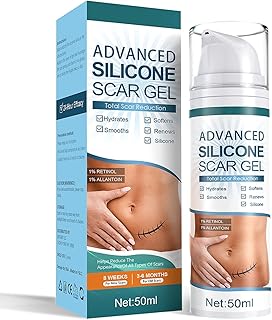
Best for a comprehensive silicone-based approach to scars on face and body. This gel targets old and new scars, including those from acne, surgeries, burns, and stretch marks. It aims to soften, smooth, and reduce scar visibility while potentially supporting collagen renewal. Use consistently for best outcomes. Caution: results depend on scar age and adherence to application twice daily.
Buying Guide: Key Purchase Considerations
What scar type do you have? Scars differ in color, height, and texture. For flat discoloration, brightening creams and toners may help, but raised or keloid scars may respond better to silicone gels or prescription-like treatments. If you have combination skin, look for oil-free or non-greasy formulas to prevent breakouts alongside scar reduction.
How strong should the product be? Severe acne spots may require higher-strength actives like benzoyl peroxide, while sensitive skin may benefit from bakuchiol or silicone-based options. Consider pairing a spot treatment with a daily hydrating moisturizer for balance.
Is consistency important? Scar improvements typically require regular use over weeks. Set realistic expectations and follow product directions closely to gauge effectiveness. Patch testing is advised for sensitive skin.
Do you want a multi-step routine or a focused treatment? Toners or preparatory products can enhance absorption of serums and gels, while silicone scar gels provide a direct treatment method. Build a routine that matches your skincare goals and lifestyle.
How to compare products? Look for active ingredients, skin type compatibility, and the specific scar concerns they address. A combination approach—hydration, gentle resurfacing, and scar-smoothing silicone—often yields the best overall results without overloading the skin.
FAQ
- Q: How long does it take to see results with acne scar gels?
- A: Many products report visible improvements within 2–8 weeks, but results vary by scar type, skin tone, and consistency of use.
- Q: Can I use these products with other acne treatments?
- A: Yes, but follow product directions and avoid layering incompatible actives to reduce irritation.
- Q: Are silicone-based gels safe for sensitive skin?
- A: Silicone gels are generally well tolerated, but check for any allergies and apply as directed.
- Q: Should I use a toner with scar treatment?
- A: Toners can prep skin and reduce oil, but are optional. Use if they fit your routine and skin type.
- Q: Can these products prevent new scars?
- A: Some products support scar prevention by promoting proper hydration and collagen balance, but prevention is best achieved with proper wound care and sun protection.