Choosing an acne-focused cleanser depends on skin type, sensitivity, and the type of acne you’re dealing with. This guide highlights well-known options that target clogged pores, oil control, and bacteria while maintaining skin moisture. Each product below is linked to Amazon for quick reference and comparison, with key features summarized to help you decide what fits best for your routine.
Product Snapshot
| Product | Brand | Key Focus | Format |
|---|---|---|---|
| PanOxyl Acne Foaming Wash | PanOxyl | 10% benzoyl peroxide, antibacterial | Foaming liquid |
| CeraVe Acne Treatment Face Wash | CeraVe | Salicylic acid, purifying clay, ceramides | Gel/foam cleanser |
| CeraVe Acne Control Cleanser | CeraVe | 2% salicylic acid, niacinamide, clay | Foam cleanser |
| La Roche-Posay Effaclar Medicated Gel Cleanser | La Roche-Posay | 2% salicylic acid, oil control | Gel cleanser |
| Neutrogena Oil-Free Acne Wash | Neutrogena | 2% salicylic acid, MicroClear | Liquid cleanser |
PanOxyl Acne Foaming Wash Benzoyl Peroxide 10% Maximum Strength Antimicrobial
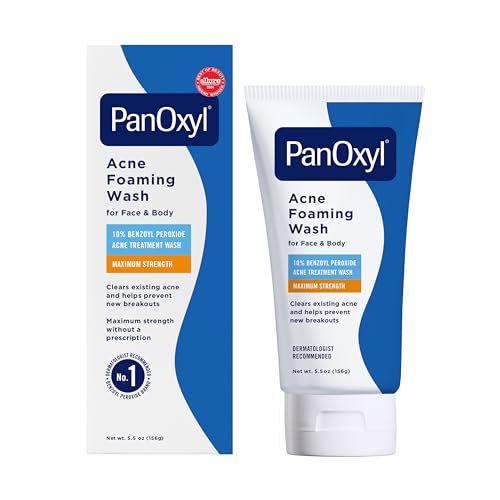
PanOxyl’s maximum-strength foaming wash uses 10% benzoyl peroxide to rapidly kill acne-causing bacteria and lift dirt from pores. The antimicrobial formula targets surface breakouts while maintaining a cleansing action that leaves skin feeling refreshed. This option is best for short-term, intensive treatment or for those who tolerate benzoyl peroxide well. Use as directed to minimize dryness or irritation, especially near eyes and sensitive areas.
CeraVe Acne Treatment Face Wash

This salicylic acid cleanser blends BHA exfoliation with ceramides and niacinamide to calm skin while helping to prevent breakouts. The purifying clay helps absorb oil, aiding pore appearance without drying. Fragrance-free and non-comedogenic, it’s designed for daily use and suitable for those seeking a gentler approach to acne management.
CeraVe Acne Control Cleanser

This foaming cleanser features 2% salicylic acid with oil-absorbing clay and niacinamide to minimize pores and help prevent new breakouts. The formula transitions from gel to foam so it feels light and hydrating while effectively cleansing; fragrance-free and non-comedogenic options make it suitable for sensitive or reactive skin types.
La Roche-Posay Effaclar Medicated Gel Cleanser
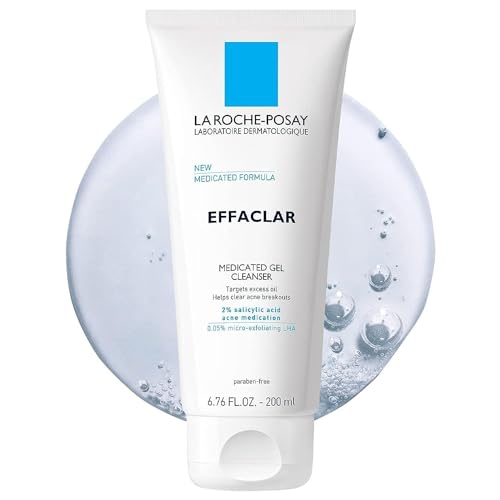
This medicated gel uses 2% salicylic acid with LHA and glycerin to exfoliate and remove oil without harsh scrubbing. It’s formulated to reduce excess surface oil while helping prevent breakouts, making it a solid option for oily and acne-prone skin. It’s fragrance-free and designed to minimize irritation for daily use.
Neutrogena Oil-Free Acne Face Wash
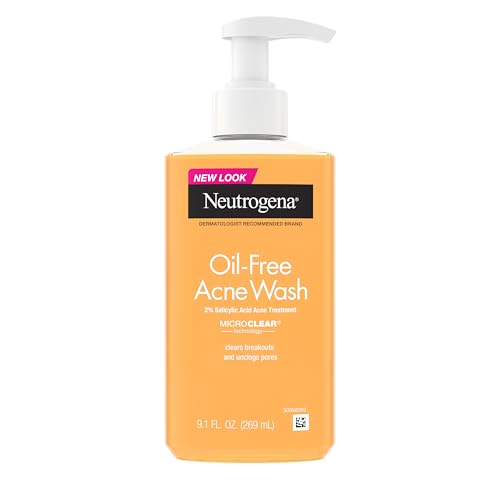
Neutrogena’s Oil-Free Acne Wash uses 2% salicylic acid to unclog pores and reduce breakouts. With MicroClear technology to enhance penetration, it targets blemishes and blackheads while staying oil-free and non-drying. This option is favored for regular use within an acne-prone routine that aims to prevent new breakouts without overdrying the skin.
CeraVe Foaming Facial Cleanser

This daily foaming cleanser is designed for normal to oily skin, featuring hyaluronic acid, ceramides, and niacinamide. It foams into a light lather that cleanses without stripping moisture, providing a non-drying feel. Fragrance-free, non-comedogenic, and suitable for use morning and night as part of a balanced acne skincare routine.
Buying Guide: Key Purchase Considerations
- Active ingredient focus: Benzoyl peroxide (antibacterial action and pore clearing) vs. salicylic acid (oil control and gentle exfoliation) vs. oil-absorbing clays. Consider skin sensitivity and the type of acne when choosing an ingredient.
- Concentration and strength: Higher benzoyl peroxide (like 10%) can be effective but may cause dryness or irritation. Start with lower concentrations if you have sensitive skin.
- Oil control vs. moisture balance: Look for formulations that maintain moisture (ceramides, hyaluronic acid) to prevent over-drying, which can trigger increased oil production.
- Fragrance and irritation risk: Fragrance-free options are generally better for sensitive skin and acne-prone skin prone to redness or irritation.
- Formulation type: Gel, foam, or cream can affect feel and efficacy. Foams often offer a lighter feel, while gels can be gentler on dry or sensitive skin.
- Daily use vs. spot treatment: Some products are designed for daily use, while others are better for targeted treatment of breakouts. Pair with a suitable moisturizer and sunscreen for daytime protection.
- Gentle exfoliation: Avoid scrubs with rough particles that can irritate inflamed skin. Opt for chemical exfoliants (AHA/BHA) when possible for consistent results.
- Allergen and sensitivity considerations: Check for fragrance-free, non-comedogenic formulas to minimize irritation and clogged pores.
- Skin type alignment: Oily skin benefits from oil-absorbing clays and foaming cleansers; dry or combination skin may prefer hydrating cleansers with ceramides and hyaluronic acid.
- Consistency and routine: Acne care works best with a consistent routine, combining cleanser, moisturizer, and sunscreen to manage oil, prevent clogged pores, and protect skin.