Finding a kid-friendly spray sunscreen that’s easy to apply, stops tears, and protects sensitive skin is essential for family outings. This guide reviews top spray sunscreens designed for children, focusing on UVA/UVB protection, water resistance, and skin-safety formulations. Each product below is selected for convenience, pediatric recommendations, and reliable coverage during play, swimming, and outdoor adventures.
| Product | SPF / Type | Size | Why It Stands Out |
|---|---|---|---|
| Coppertone KIDS Continuous Spray SPF 50 | SPF 50, Broad Spectrum | 5.5 oz | Easy-to-spray, dermatologist-tested, dye- and oxybenzone-free |
| Banana Boat Sport Kids SPF 50 | SPF 50+, Broad Spectrum | 6 oz each (Twin Pack) | PowerStay technology; gentle on kids’ skin; pediatrician tested |
| Neutrogena Beach Defense Kids SPF 70 | SPF 70, Broad Spectrum | 6.5 oz each (Pack of 2) | Fast-drying, water-resistant, helioplex protection |
| Sun Bum Kids SPF 50 Clear Body Spray | SPF 50, Broad Spectrum | 6 oz | Clear formula, water-resistant, reef-friendly (no fragrance) |
| Banana Boat Kids MAX SPF 100 | SPF 100, Broad Spectrum | 6 oz | Invisible, rub-free application for kids |
Coppertone KIDS Continuous Spray SPF 50
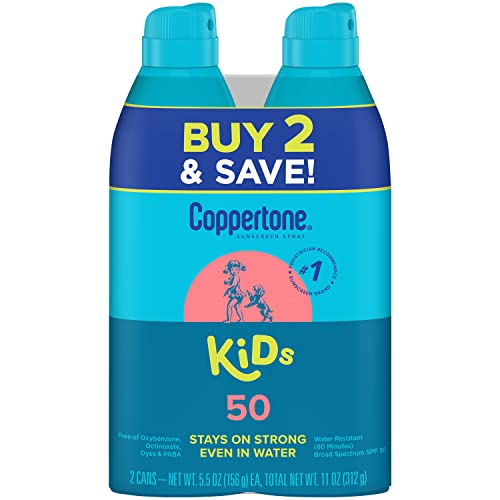
This pediatrician-recommended sunscreen comes as a lightweight mist designed for easy application on kids’ bodies. It provides broad spectrum UVA/UVB protection and sprays at any angle to reach difficult areas. The formula is dermatologically tested and free from dyes, PABA, octinoxate, and oxybenzone, reducing irritant exposure for sensitive skin. Ideal for quick reapplication during outdoor activities.
Banana Boat Sport Kids SPF 50 Twin Pack

The Banana Boat twin-pack features PowerStays technology for a gentle, kid-friendly feel with reliable protection. It’s pediatrician-tested and specifically designed for children’s sensitive skin. The lightweight and quick-absorbing spray helps keep kids moving instead of waiting for lotion to dry, making it a practical choice for outdoor sports and water activities.
Neutrogena Beach Defense Kids SPF 70

Neutrogena Beach Defense provides a high level of protection with Helioplex technology, delivering broad-spectrum UVA/UVB coverage. The fast-drying and oil-free formula minimizes sticky residue, which supports active kids who swim, run, and play. It is water-resistant for up to 80 minutes and designed to be easily applied on bodies and faces with controlled, comfortable coverage.
Sun Bum Kids SPF 50 Clear Body Spray

Sun Bum offers a clear, water-resistant spray designed for wet or dry skin, with a focus on child-friendly application. The formula excludes octinoxate and oxybenzone, aligning with reef-safe considerations. Instructions emphasize shaking well, applying evenly, and reapplying after swimming or sweating, making it suitable for family trips to beaches and pools.
Banana Boat Kids MAX SPF 100

This sunscreen spray offers a high SPF 100 option, designed to provide strong protection for sunny days. The spray is described as invisible and rub-free, aiming to prevent the typical sunscreen rubbing off during play. It’s marketed for kids’ use, focusing on a comfortable, non-irritating experience with hypoallergenic properties.
Coppertone Kids Sunscreen Spray SPF 50

Another Coppertone option, this spray offers broad-spectrum SPF 50 protection and emphasizes easy spray-coverage from any angle. It’s free from dyes, PABA, octinoxate, and oxybenzone, aligning with sensitive-skin needs and pediatric recommendations for sunblock during outdoor activities.
Hello Bello SPF 50 Kids Mineral Spray

Hello Bello offers a mineral-based spray with non-nano zinc oxide and natural moisturizers. It provides broad-spectrum UVA/UVB coverage, is dermatologist tested, vegan, and reef-friendly. The product emphasizes hypoallergenic properties and the absence of animal testing, catering to families prioritizing ethical and skin-safe sun protection for kids.
Blue Lizard Kids Mineral Spray SPF 50+
Blue Lizard’s mineral spray uses zinc oxide for broad-spectrum protection with a focus on kids’ sensitive skin. It avoids chemical active ingredients and titanium dioxide, offering a trusted mineral-based option. The product aims to provide easy application with a non-greasy feel and clear rub-in, reducing concerns about white residue on small faces and limbs.
Buying Guide: Key Purchase Considerations
Choosing the right spray sunscreen for kids involves balancing protection, skin-safety, and practicality. Consider these factors to compare options effectively:
- Sun Protection Factor and Coverage: For active kids, SPF 50 or higher is common, but broad-spectrum coverage (UVA/UVB) is essential. Higher SPF may offer more protection during extended outdoor play, but reapplication frequency remains the same.
- Formulation and Skin Type: Mineral-based sprays (zinc oxide) suit sensitive or reactive skin; chemical-free formulas often appeal to parents seeking simpler ingredient lists. For oily or acne-prone skin, oil-free options may feel lighter.
- Water Resistance and Sweat Factor: Water-resistant formulas (40–80 minutes) help during swimming or sweating. Reapply after swimming, towel drying, or prolonged sun exposure.
- Convenience and Application: Easy-angle sprays, quick-dry formulas, and minimal rubbing reduce fuss during busy family outings. Clear or rub-in options matter for younger children and face application.
- Safety and Allergens: Look for fragrance-free, dye-free, and oxybenzone- and octinoxate-free formulations when possible. Pediatrician or dermatologist recommendations can provide additional guidance for sensitive skin.
- Brand Reputation and Testing: Pediatrician recommendations, dermatologist testing, and third-party safety certifications add confidence when selecting products for kids.
- Environmental Considerations: Reef-safe and non-nano mineral formulas help minimize environmental impact, particularly for beach settings.
In practice, parents may choose a primary SPF 50 spray for general use, with an SPF 70 or 100 option for intense sun days or susceptible skin. Having a separate facial spray, using mineral-based options for sensitive areas, and ensuring reapplication routines align with outdoor activity schedules improves overall sun safety for children.